← Back to the buyer's guide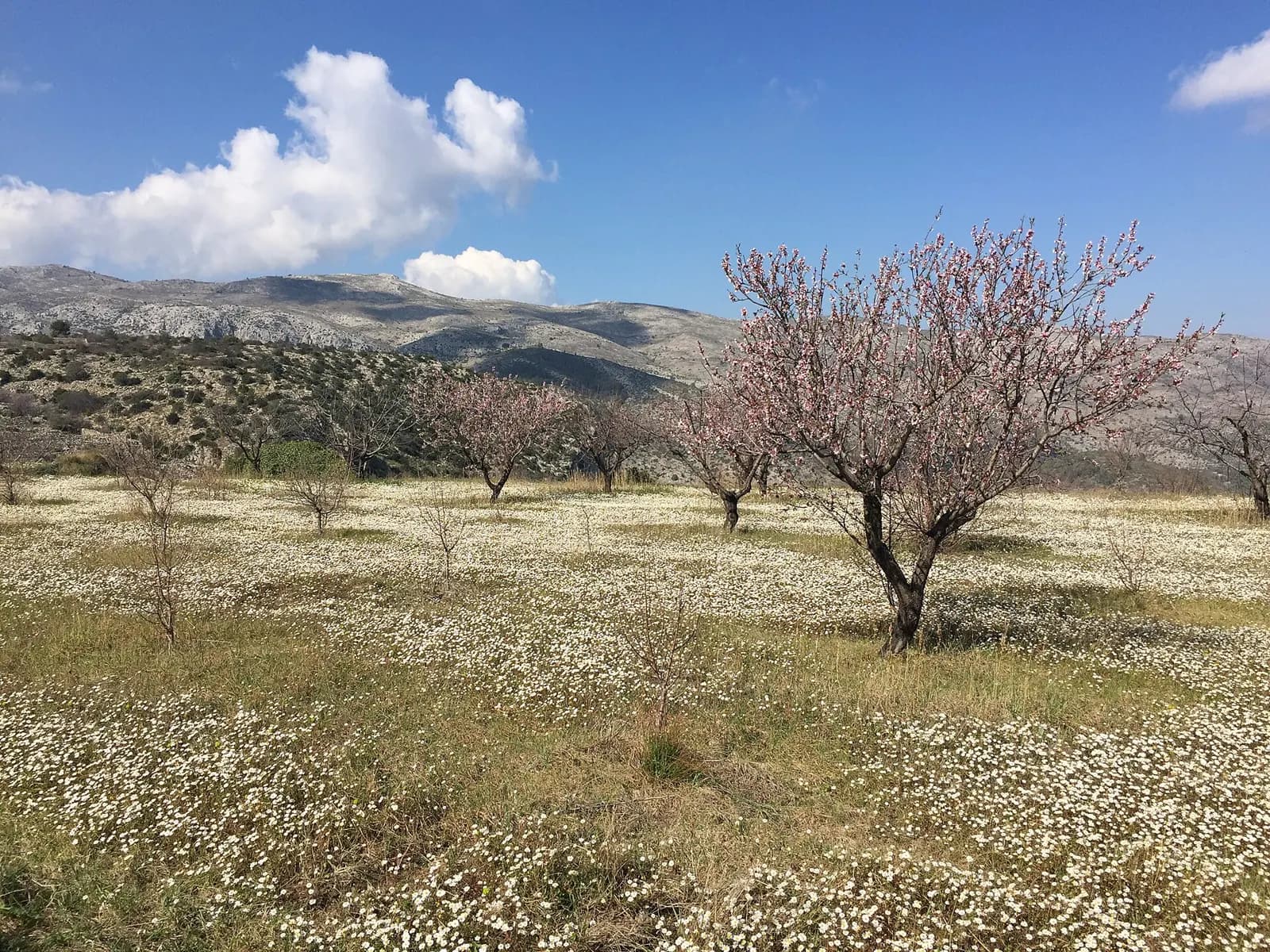
Photo: Punteador, CC BY-SA 4.0
Coast or inland: what is the difference?
Half an hour inland changes everything: prices drop sharply, plots get bigger and life becomes truly Spanish. What you gain and what you give up.
The differences at a glance
| Coast | Inland | |
|---|---|---|
| Price per m² | high | often a third of the coastal price or less |
| Typical home | apartment, bungalow, villa | finca, village house, villa with land |
| Plot | small to medium | often thousands of m² |
| Climate | mild, sea breeze in summer | hotter summers, cooler winter nights |
| Amenities | everything nearby | village amenities; further to hospital and airport |
| Atmosphere | touristy and international | authentically Spanish and quiet |
Why inland is so affordable
In places such as Pinoso, Albox, Jumilla and the villages around Monóvar and Sax, the price of a seaside apartment buys a detached house with a pool and land. The coast is often 30 to 60 minutes away.
What to check inland
- have the legal status checked: not every finca is fully legal or registered
- ask about water, electricity and drainage: there may be a water tank, solar panels or a septic tank
- you will need a car for shopping, doctors and the airport
- summers are hotter and winter nights colder than on the coast
Frequently asked questions
How much cheaper is inland Spain?
Per square metre you often pay a third of the coastal price or less. The figures page shows current prices per region from the listings.
This guide gives general information and is not legal or tax advice. Rules and rates change; always have your situation checked by an independent lawyer or tax adviser.