Living in Spain or the Netherlands: the differences
More sun, more space for less money and a slower pace of life: that is why many Dutch and Belgian people look at Spain. There are less sunny sides too. These are the differences that really matter.
The differences at a glance
Figures are rounded and vary by place and year, but they give a fair sense of scale.
| The Netherlands | Spain (Costa Blanca, Costa del Sol) | |
|---|---|---|
| Sunshine hours per year | about 1,700 to 1,900 | about 2,800 to 3,000 |
| Average January temperature | about 3 to 4 °C | about 11 to 13 °C |
| House prices | average well over €450,000 (CBS) | on the coast often two to three times the space for the same money, inland even more |
| Buying costs | usually a few per cent | about 10 to 14 per cent |
| Municipal tax | OZB, plus waste and sewage charges | IBI, plus a waste charge; often a few hundred euros a year for an ordinary home |
| Eating out and groceries | expensive | noticeably cheaper, especially eating out and fresh produce |
| Mortgage interest relief | yes, for your own main home | no, not for a second home in Spain |
Climate: the main reason
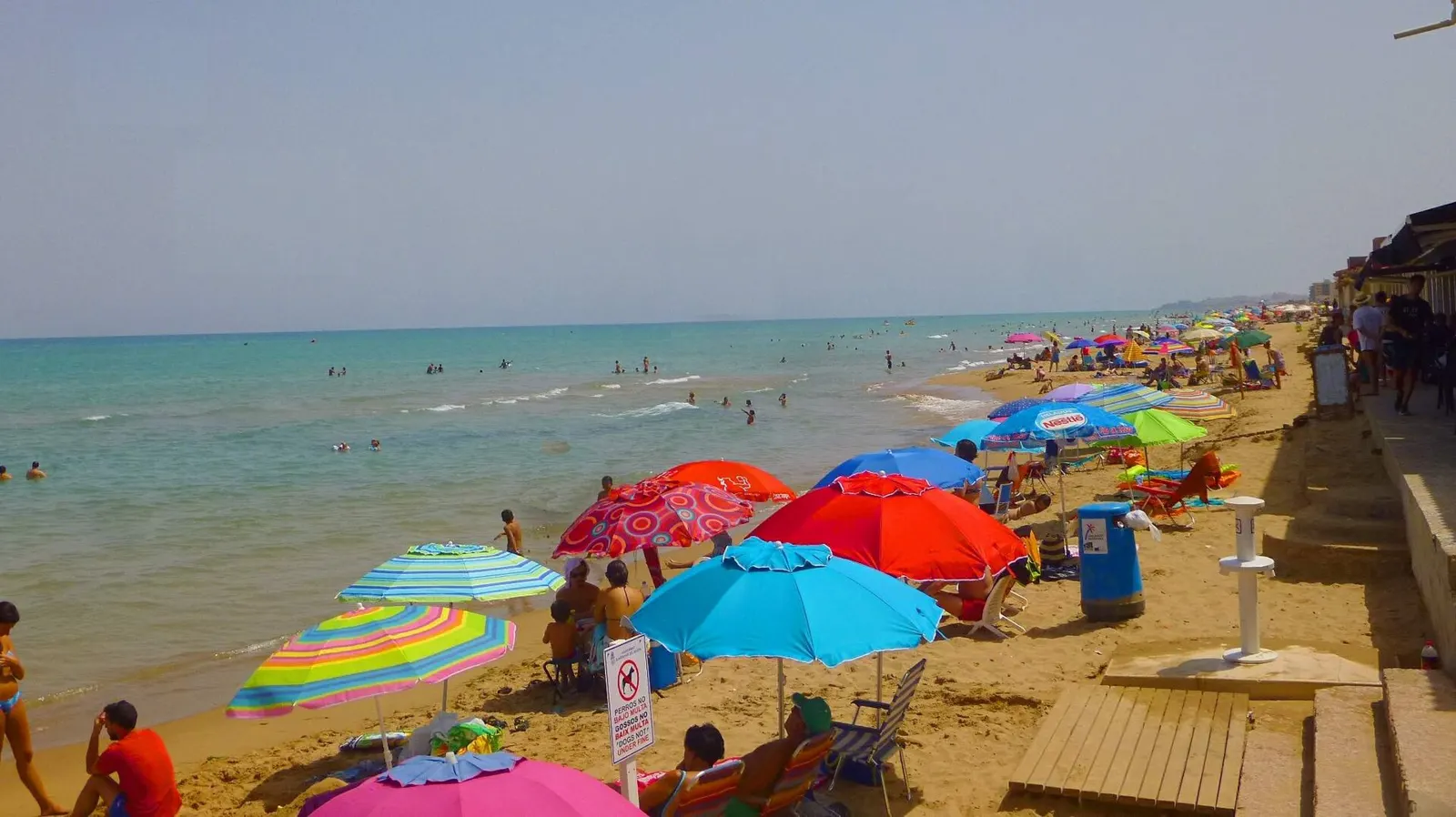
On Spain's east and south coasts the sun shines about one and a half times as often as in the Netherlands. Winters are mild, with daytime temperatures in January often 15 to 18 degrees. Summers are hot, regularly above 30 degrees in July and August.
House prices and buying costs
For the price of an average Dutch home you can often buy a villa with a pool on the Spanish coast, or a finca with land inland. On the other hand, buying costs in Spain are higher: allow about 10 to 14 per cent on top of the price for transfer tax or VAT, notary, registry and lawyer.
Daily life and cost of living
Eating out, coffee on a terrace and fresh fruit and vegetables are clearly cheaper in Spain. Electricity and fuel differ less, and some branded goods are even more expensive. Life happens more outdoors and later in the day.
Spanish salaries are lower than Dutch ones. For retirees and remote workers with a Dutch employer the sums often work out well; if you look for a job in Spain, take this into account.
Healthcare
Spanish healthcare is good, and on the coast there are many private clinics with Dutch- or English-speaking staff. If you move to Spain for good, you are no longer covered by Dutch health insurance. Retirees with a Dutch pension or state pension can usually register for Spanish public healthcare through the CAK; others take out Spanish or international insurance.
Language and paperwork
In the larger coastal towns English gets you a long way, and there are many Dutch-speaking shops, doctors and advisers. With the town hall, the tax office and the notary, things are in Spanish. A gestoría or lawyer can handle the paperwork for you.
Frequently asked questions
Is living in Spain cheaper than in the Netherlands?
Usually yes: homes, eating out and fresh produce are cheaper. Electricity and fuel differ less, and buying costs are higher. On balance most Dutch people on the Spanish coast live more cheaply than in the Netherlands.
How many more hours of sunshine does Spain have?
On the Costa Blanca and Costa del Sol about 2,800 to 3,000 a year, against about 1,700 to 1,900 in the Netherlands.
This guide gives general information and is not legal or tax advice. Rules and rates change; always have your situation checked by an independent lawyer or tax adviser.